
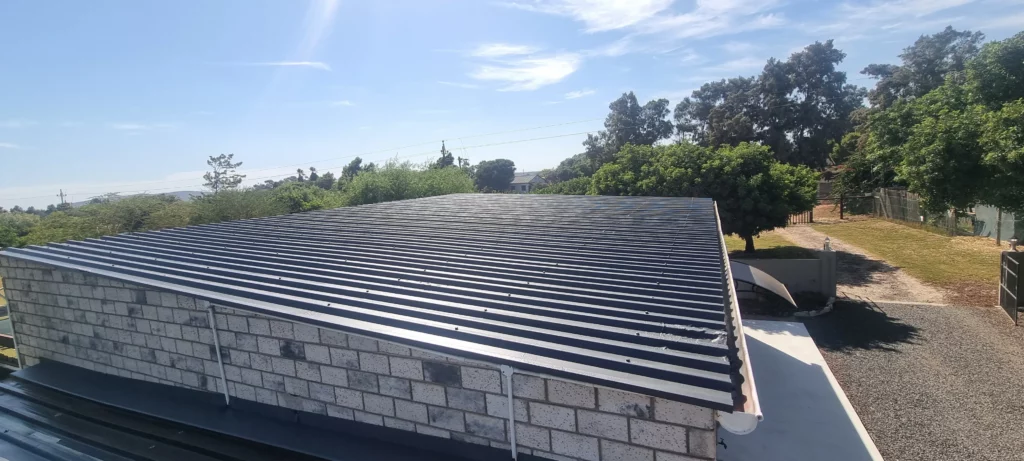
If you own property in Cape Town, waterproofing is not optional maintenance. It is what stands between your home and one of the wettest, windiest winters in South Africa. Every year from May to August, cold fronts drive rain against roofs, parapets and walls, and any weak point lets water in. This guide covers the main waterproofing systems used in Cape Town, where they are applied, and how to choose the right contractor.
Why Cape Town homes need proper waterproofing
The Western Cape’s winter rainfall climate is unique in South Africa. Where Gauteng gets short summer thundershowers, Cape Town gets sustained soaking rain, often driven horizontally by North-Westerly winds. Combine that with older housing stock, flat-roofed extensions, and salty coastal air that degrades sealants faster, and you have a region where waterproofing failures are common, and expensive when ignored. Water ingress leads to damp walls, mould, rotten ceilings, rusted rebar in concrete slabs and damaged electrical fittings.
The main waterproofing systems we use
1. Torch-on waterproofing
Torch-on membrane is the workhorse for flat roofs, balconies and parapet walls in Cape Town. A bitumen membrane is heat-fused to the surface, forming a continuous waterproof layer that handles ponding water far better than paint-on products. Done properly with a silver or mineral finish, it lasts 10 to 15 years. Read our detailed guide to torch-on waterproofing for more.
2. Liquid-applied membranes
Acrylic and polyurethane liquid membranes, usually reinforced with a polyester fabric, suit pitched roofs, flashings, roof screws and complex details where torch-on is impractical. They are UV-stable and flexible, but surface preparation is everything. Applied over dirt or flaking paint, they fail early.
3. Roof coatings and paint systems
For tiled, IBR and corrugated roofs, a quality roof coating system with primed fasteners and sealed laps protects against wind-driven rain and extends roof life. This is often combined with roof painting for a finish that protects and looks good.
4. Damp proofing walls
Rising and penetrating damp need their own solutions, from chemical damp-proof courses to exterior sealers. Interior damp is usually a symptom; the fix is almost always on the outside.
Common problem areas in Cape Town properties
In our experience across the Peninsula and Northern Suburbs, the usual culprits are: parapet walls with cracked plaster or failed copings, flat concrete slab roofs with old or blistered membranes, box gutters blocked by leaves, chimney flashings, skylights, and hairline cracks in exterior walls facing the winter weather. If you are seeing damp patches or peeling paint inside, check our post on the signs your roof needs waterproofing.
When is the best time to waterproof?
Summer and autumn (November to April) are ideal. Surfaces are dry, products cure properly, and you are ready before the first cold front. Waterproofing in winter is possible between fronts but weather delays are common. The worst option is waiting for a leak to appear in July, when every contractor in Cape Town is booked out.
Choosing a waterproofing contractor in Cape Town
Ask for a written quote with the exact system and products specified, a workmanship guarantee (we offer guarantees on all torch-on installations), references from your area, and proof that surface preparation is included in the price. Cheap quotes usually skip preparation, the single biggest cause of premature failure.
See our waterproofing services in Cape Town for the systems we install, or our roof repairs and roof painting page if your roof also needs attention.
Get a free waterproofing quote
Qualispray has waterproofed homes and commercial buildings across Cape Town and the greater Western Cape for years. If your roof or walls need attention before winter, contact us for a free, no-obligation quote, we will assess your property and recommend the right system, not just the most expensive one.