
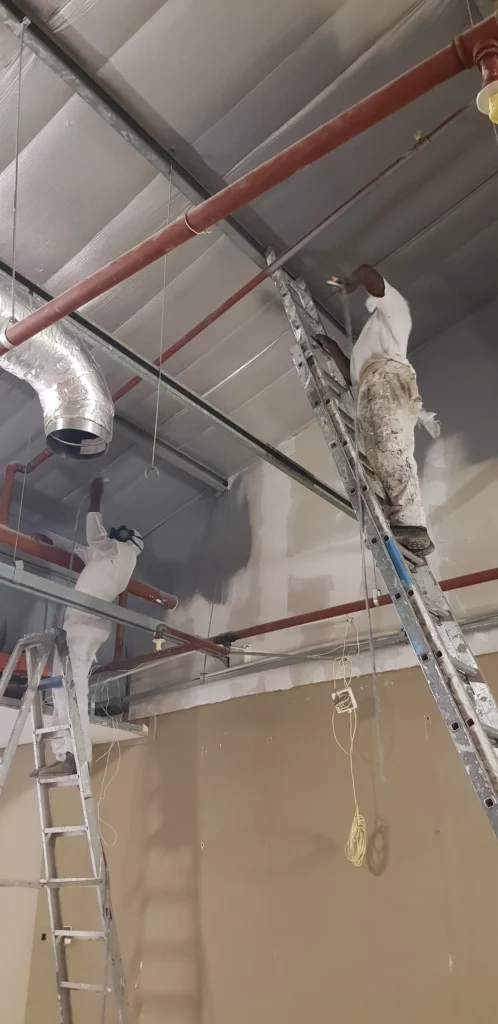
Damp walls are one of the most common complaints from Cape Town homeowners, and one of the most misdiagnosed. Painting over a damp patch hides it for a season; by the next winter it is back, bigger, with bubbling paint and that unmistakable musty smell. This guide explains the three types of damp found in Western Cape homes, how to tell them apart, and what proper damp proofing involves.
The three types of damp and how to tell them apart
1. Rising damp
Rising damp occurs when groundwater is drawn up through brickwork by capillary action, usually because the original damp-proof course (DPC) has failed or was never installed, which is common in older Cape Town homes. The telltale signs: a tide mark up to about a metre high on ground-floor walls, crumbling plaster, and white salty deposits (efflorescence). It appears on internal and external walls alike.
2. Penetrating damp
Penetrating damp comes through the wall horizontally, from cracked plaster, failed parapet copings, leaking gutters or porous brickwork on the weather-facing side of the house. In Cape Town this is typically the North-West facade that takes the brunt of winter fronts. Patches appear or darken after rain, at any height on the wall.
3. Condensation
Condensation damp shows up as mould in corners, on cold south-facing walls and around windows, especially in bathrooms and bedrooms. It is a ventilation problem, not a waterproofing failure, though it often coexists with the other two.
Why painting over damp never works
Paint, even “damp seal” paint, treats the symptom. If moisture is still entering the wall, it will push through any coating, taking the new paint off with it. Worse, sealing a wet wall on the inside can trap moisture and push it elsewhere. Proper damp proofing starts with finding and stopping the source of the water.
How professional damp proofing works
For rising damp, the standard remedy is a chemical DPC: holes are drilled into the mortar course and injected with a silicone-based cream that forms a new water-repellent barrier. Damaged, salt-contaminated plaster is then stripped and replastered with a salt-inhibiting mix. For penetrating damp, the fix is on the outside: repairing cracks, resealing parapets and copings, fixing gutters and applying a breathable water-repellent coating to the facade. For condensation, improved ventilation and mould treatment solve most cases.
What does damp proofing cost in Cape Town?
Costs depend entirely on the diagnosis. A chemical DPC injection with replastering is priced per metre of affected wall, while penetrating damp repairs range from minor crack and coping repairs to full facade waterproofing. Beware of quotes given without a proper inspection. Treating the wrong type of damp wastes every rand spent. A reputable contractor will identify the source before quoting.
Where damp is coming through the roof or walls, our waterproofing team in Cape Town treats the source before any repainting is done.
Get your damp problem diagnosed properly
Qualispray diagnoses and treats rising damp, penetrating damp and related waterproofing failures across Cape Town and the Western Cape. Before you repaint that wall for the third time, get in touch for a free assessment, we will find the source and quote you on fixing it permanently.